
Donald Trump considers suspending federal gasoline tax amid rising prices
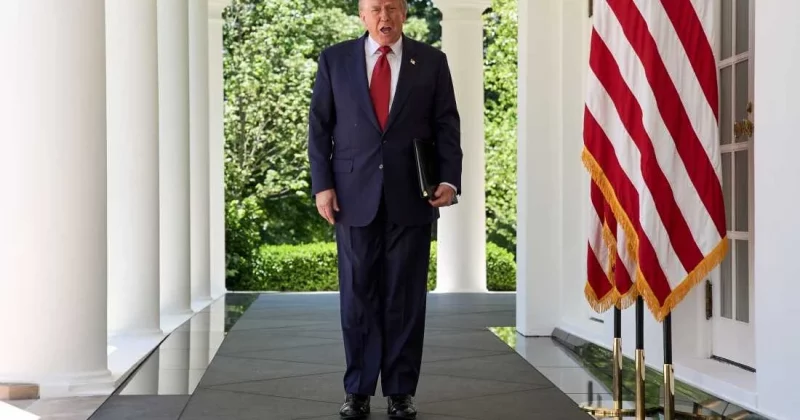


President Trump announced his support for suspending the federal gasoline tax, a move designed to take some of the sting out of fuel prices that have been climbing steadily amid the ongoing conflict with Iran. The proposal would eliminate the 18.4 cents per gallon federal levy on gasoline and the 24.4 cents per gallon tax on diesel.
Just a week earlier, the administration dismissed the idea as “not currently under consideration.”
What the suspension would actually mean
The federal gas tax generates over $23 billion annually. That money funds infrastructure programs, the roads and bridges that people need to drive on while burning the gasoline in question.
Trump indicated the suspension would last “until it’s appropriate.” No specific duration has been confirmed, and no formal legislation has been introduced yet.
The proposal requires Congressional approval to move forward. Republicans currently hold the majority, which could theoretically streamline the legislative process.
The political dynamics at play
Bipartisan interest in a gas tax holiday isn’t entirely new. Some Democrats have proposed their own suspension timelines, with certain legislative initiatives targeting an October 1 start date.
National prices are nearing $5 per gallon. Rising fuel costs have a way of concentrating political minds, and the administration’s rapid pivot from dismissal to endorsement in roughly a week underscores how potent that pressure has become.
Some state officials have responded with skepticism. The concern is whether oil companies and gas stations would actually pass the full savings along to consumers, or whether some portion of the tax cut would quietly pad margins instead. This happened during previous gas tax holiday experiments at the state level, where retail prices didn’t always drop by the full amount of the suspended tax.
What this means for investors
A gas tax holiday is a form of fiscal stimulus. If Congress approves it, that’s $23 billion in annual revenue the government stops collecting, requiring either spending cuts elsewhere, additional borrowing, or larger deficits.
Lower gas prices reduce headline inflation numbers, which could give the Federal Reserve slightly more room to maneuver on rates. But increased deficit spending carries inflationary implications in the medium term.
The timeline matters enormously. A two-month suspension has very different market implications than an open-ended one, and Trump’s “until it’s appropriate” framing leaves that question entirely unresolved. Investors should watch for actual legislative text, because the details of duration, offset mechanisms, and sunset provisions will determine whether this is a meaningful economic event or a symbolic gesture.
Once you cut a consumer-facing tax, reinstating it is deeply unpopular. That would turn a temporary revenue gap into a permanent structural deficit in transportation funding.


